From: Mark Rauterkus from Heavy Or Not - The OG Swim Guide <rauterkus@substack.com>
Date: Fri, Jun 12, 2026 at 7:58 PM
Subject: Coaches Need Better Learning Systems
To: <mark.rauterkus@gmail.com>

A strong sport program teaches athletes and coaches at the same time. Plus, the guardians and support staff are part of the culture too. Aquatics can lead by building pathways, badges, mentors, seminars, and publishing systems that help knowledge travel.That truth of coaches being learners, deserves more attention. A coach grows through practice, observation, mistakes, mentors, clinics, books, podcasts, athlete feedback, parent conversations, meet pressure, and the quiet work of returning to the deck with a better plan. The best coaches keep learning because the job keeps changing. Athletes change. Families change. Schools change. Technology changes. Expectations change. The pool stays familiar, but the work around the water keeps moving. A modern coaching culture needs better learning systems.
Coaching Knowledge Should TravelA great coaching idea should travel farther than one pool deck. A good drill should reach the coach who needs it next week. A strong talk should become a recording, an article, a worksheet, a short course, a clinic segment, an ebook or printed book, and most of all a sustained conversation. Hopefully, as the words evaporate, as sound waves do, the concepts of coaches are able to linger until they are needed again elsewhere. A useful lesson from one team should help another team. That is how individuals, teams, sports participation and our coaching profession get stronger. Coaching has always depended on shared knowledge. The most desired step where the hinge resides is to make that sharing more organized, more visible and more useful. The Deck Is A ClassroomEvery practice teaches the athletes. Every practice also teaches the coach. The coach learns how a group responds to challenges. The coach learns which explanation works. The coach learns which athlete needs confidence, which athlete needs structure, and which athlete is ready for leadership. That learning deserves a place to land. A coach can carry notes in the head for only so long. A program grows stronger when the learning moves into systems: written plans, shared resources, videos, checklists, prompts and debriefs. The pool deck becomes more powerful when it connects to a learning network.
We all need Pathways.Those pathways should be clear, encouraging and practical.
The first step may be a simple orientation. The next step may be a few core lessons. Then comes mentoring, observation, practice teaching, feedback and more responsibility. A pathway gives people confidence. A pathway also helps leaders grow more leaders.
Mentorship Belongs In Every SystemMentorship remains one of the strongest forms of coach education. It is also one of the forms that are leveraged the least by a majority of community programs. A young coach learns by watching a veteran handle a nervous child. A new assistant learns by hearing how a head coach explains a hard set. A junior instructor learns by seeing how a strong teacher corrects without crushing enthusiasm. Those moments matter. A learning system helps capture and extend them. Mentorship can be supported by office hours, recorded conversations, short notes, reflection prompts, social media postings, book chapters, podcast episodes and shared examples. As relationships stay human, then the system helps the wisdom travel.
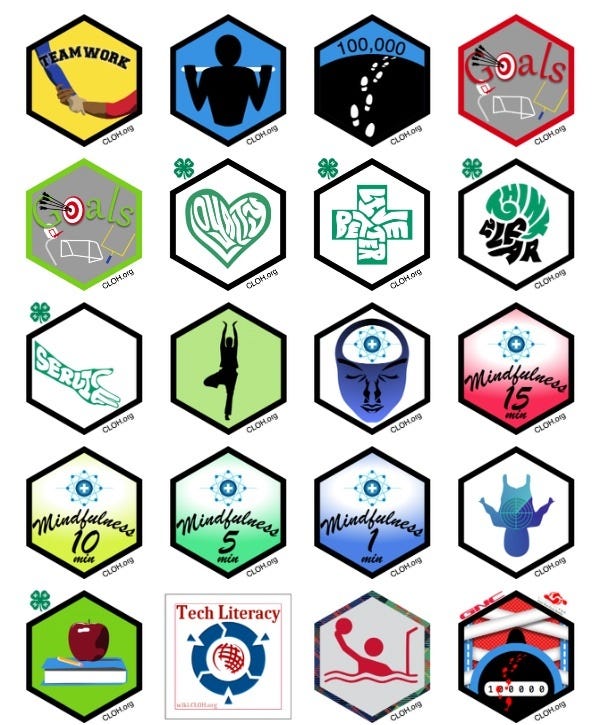
Digital Badges Can Mark ProgressDigital badges and certificates can help “coaching development” become visible. A badge becomes valuable when it helps a person grow into service.
Badges work best when they point to real learning. The badges can connect to specific skills, clear expectations, and useful next steps. In aquatics, that might include water safety basics, lesson support, practice setup, communication, junior coaching, meet work, leadership, or reflection. Courses and Seminars Should Serve The Coaching CommunityA course should make coaching easier to do well. It should give the coach something useful to bring back to the pool. A strong course can explain a concept, show an example, provide a checklist, offer a short quiz, and invite reflection. It can include video, audio, articles, diagrams and practice assignments. The best course does not sit apart from coaching. It feeds the work. A coach should finish a lesson with a better phrase, a better setup, a better question, or a better way to help an athlete learn.
Seminars Build CommunityA seminar does more than deliver information. A seminar gathers people. Coaches hear one another. Leaders compare situations. Questions become shared work. A local issue becomes part of a larger conversation. That is why regular learning conversations matter. WAFSU-style office hours, ISCA education, Heavy Or Not episodes, webinars, clinics, and conference sessions can all feed our modern learning system. A coach who joins a conversation becomes part of a larger professional circle. That circle helps the individuals and the networked system mature.
Publishing Extends The LessonPublishing turns a temporary moment into a lasting resource.
Publishing lets the work keep serving after the room clears. This is why newsletters, Substack publications, blogs, podcasts, and course libraries matter. They give coaches a place to return. The availability of cut-and-paste content helps those working among the teams to remember what was learned. A coaching culture that publishes becomes a coaching culture that compounds. Parents And Guardians Benefit Due to Published ContentCoach education helps families. A trained coach communicates better. A trained coach explains progress better. A trained coach handles safety with more discipline. A trained coach understands the difference between pressure and challenge. Parents and guardians feel the difference. They see a program that knows what it is doing. They hear clearer expectations. They receive better guidance. They gain more confidence in the pathway. Learning systems for coaches become trust systems for families. Schools and Sport Programs Need ContinuitySchools and sport programs generally live through transitions. Coaches move. Assistants graduate. Volunteers rotate. Administrators change. Athletes age out. A learning system protects continuity and helps to sustain efforts throughout changes. We all know that change is one of life’s few guarantees. A system can preserve the core methods of the program. It helps new people enter faster. It keeps standards visible. It reduces the gap between one season and the next. The program becomes less dependent on memory. The learning lives in both its people, and it also lives in the system. Aquatics Has A Natural AdvantageAquatics is built for visible progress.
That progress can be documented through stories, badges, certificates, short videos, skill records and reflection. Aquatics already teaches in layers. The learning system should reflect that depth.
The Next Coach Is Already In The Program
A strong learning system notices those people early. It gives them language. It gives them a role. It gives them a pathway. It gives them confidence. That is how the coaching bench grows deeper and with more options. A Better System Creates More LeadersCoach education should produce action. A better learning system helps a coach plan, teach, communicate, reflect and lead. It helps a program train helpers. It helps families understand progress. It helps schools and communities see value. The system does not need to be complicated. It needs to be steady.
A clear pathway rolls out the red carpet for citizens to follow from participant to helper to leader. That is how coaching knowledge moves. The StandardCoaches deserve learning systems that respect their time and raise their impact. Athletes deserve coaches who keep growing. Parents and guardians deserve programs that communicate with clarity. Schools and sport leaders deserve continuity. Aquatics deserves a professional learning network that carries knowledge from one deck to the next. The coach who learns keeps the program alive. The program that teaches coaches builds the future. Our new standard aims to enrich with the AI Coaching Wizard and ground zero is at Arsenal Middle School in Pittsburgh Public Schools.
© 2026 Mark Rauterkus
|





 Posts
Posts


No comments:
Post a Comment