Wednesday, July 15, 2026

Fwd: Here's What Happens When Kids Can See Their Emotions

-- Original Message --

Real kids, real breakthroughs: how educators are using heart rate data for mental health.


Turning heartbeats into meaningful insights.


The Go-To Tool for Supporting

Student Emotional Self-Regulation

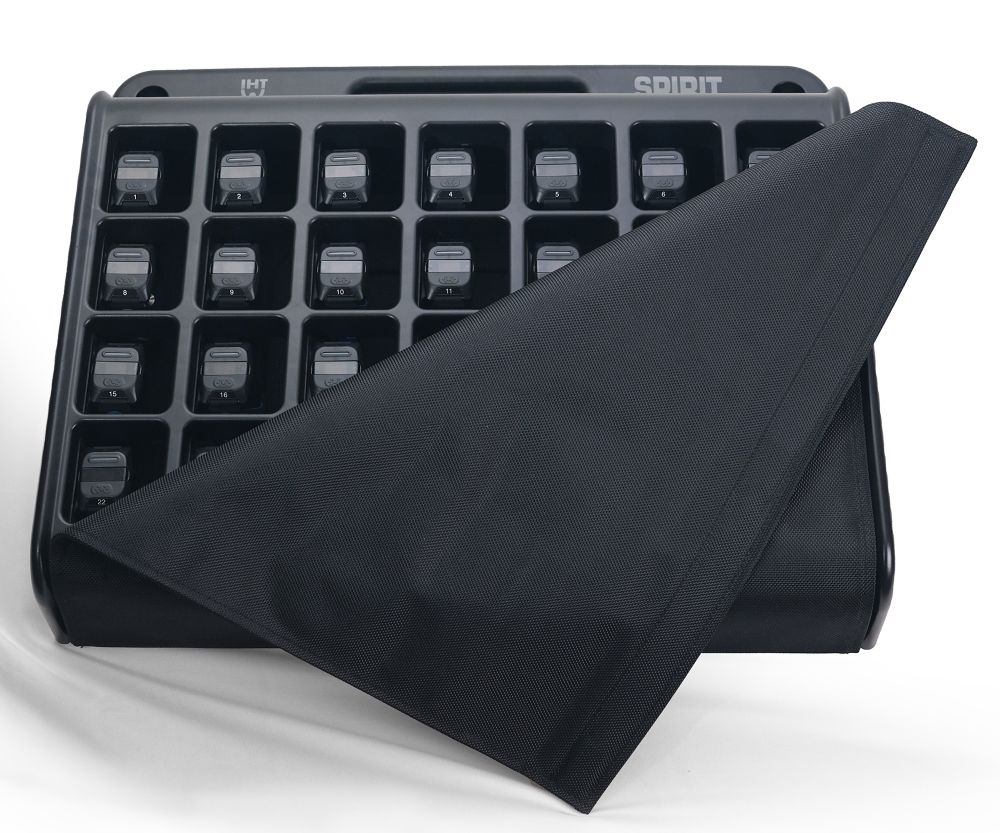
Make the invisible visible with the Spirit System.


Hi Mark,


Every day, counselors, behavioral therapists, and adapted PE teachers are asked to do something incredibly hard: help a child recognize what's happening inside their body before it turns into a meltdown, a shutdown, or a crisis ... often with hundreds of students on a caseload and no objective way to see it coming.


The Spirit System gives them a way to see it coming.


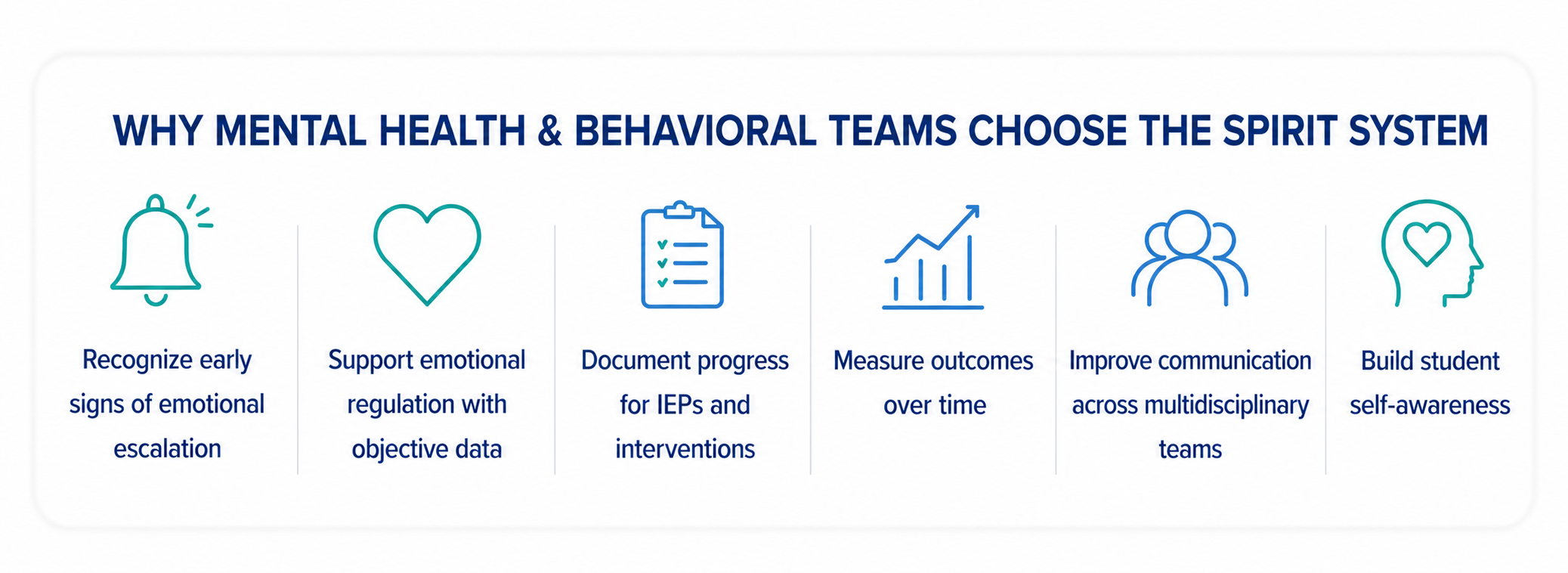
Schools across the country are using the Spirit System to better understand what students are experiencing beneath the surface — giving teachers, counselors, therapists, and families the data they need for early intervention, stronger communication, and better wellness outcomes.


Here's what that looks like in three real schools.


"So, is that what stress looks like?"

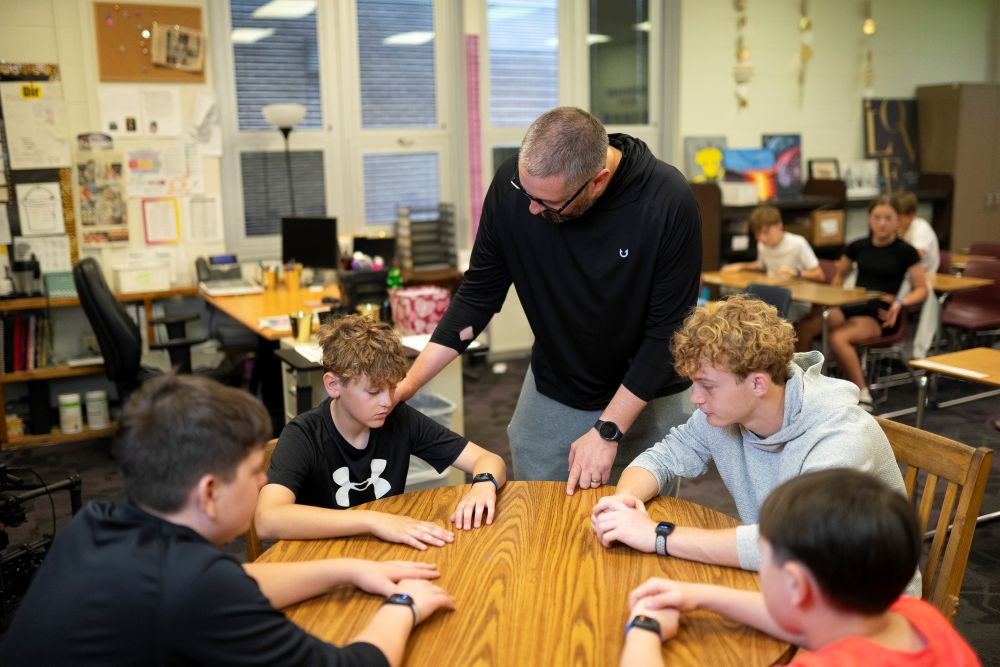
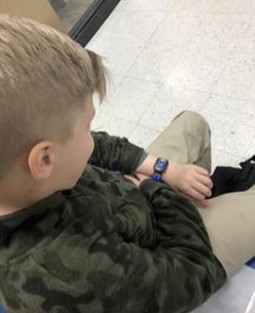
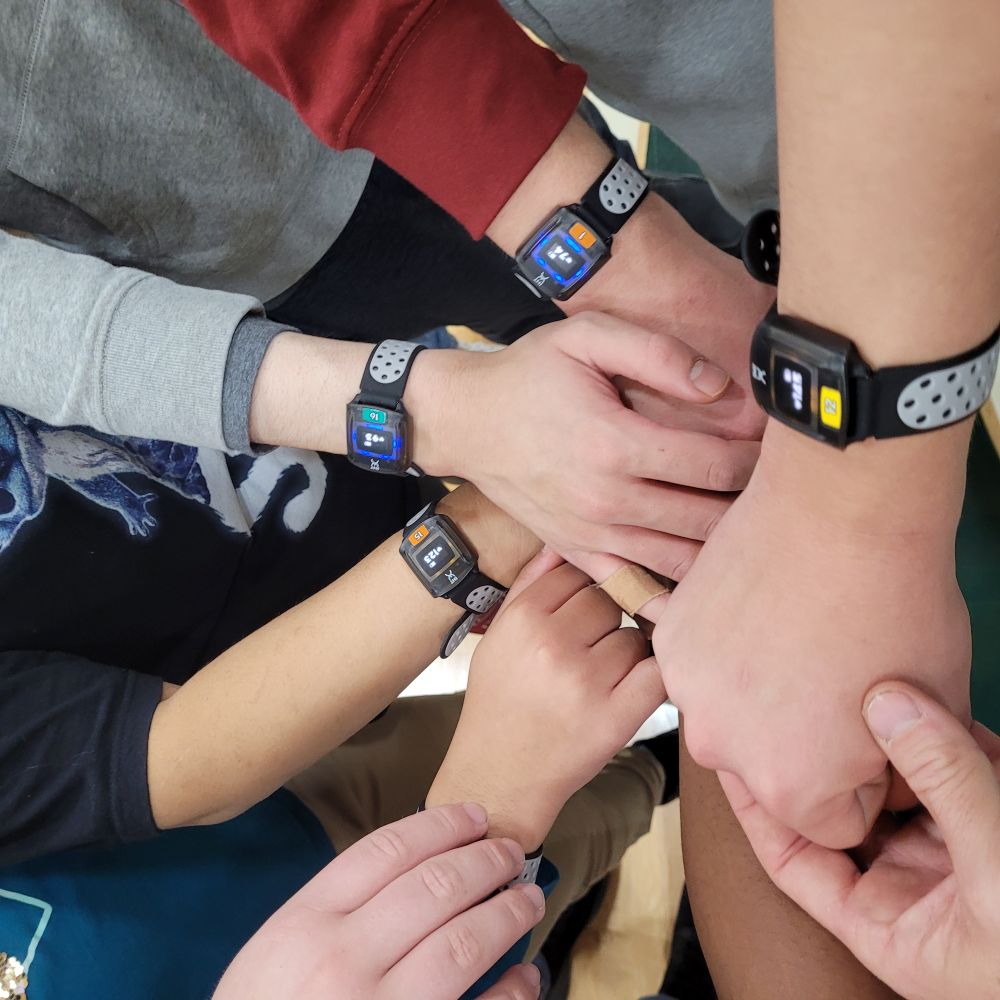
Braham Area School students wear IHT heart rate monitors throughout the school day to better understand how stress affects their bodies in real time. The result is a proactive approach that helps students stay calm, recover more quickly from stressful situations, and develop healthier coping skills.


"We have hard things going on in our lives and school. We just need some quiet time to be able to handle our feelings and manage our day. When I talk to our parents, they get pretty excited about what we are doing."


–  Jonelle Klemz, Counselor for Braham Area Schools in Minnesota


School District Expanded Impactful Emotional Management Program

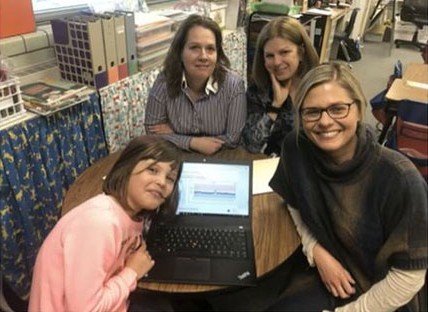
At East Elementary in Littleton, Colorado, school counselor Kim Bailey built Operation Dragon Heart to give students a way to physically see their emotions escalate throughout the day. This program helped drop behavior-based incidents from 17 to 3 and suspensions from 8 to 3 in a single year. Due to the success, the school district expanded the program to the entire district.


"The IHT product was one we felt that, after looking at 10 or 12 products, was the best one for kids. It was built for students. It was visual and it had the different colors. That got us going."


– Nate Thompson, Director of Social, Emotional and Behavioral Services at Littleton Public Schools in Colorado


Helping Students at All Learning Levels Manage Emptions

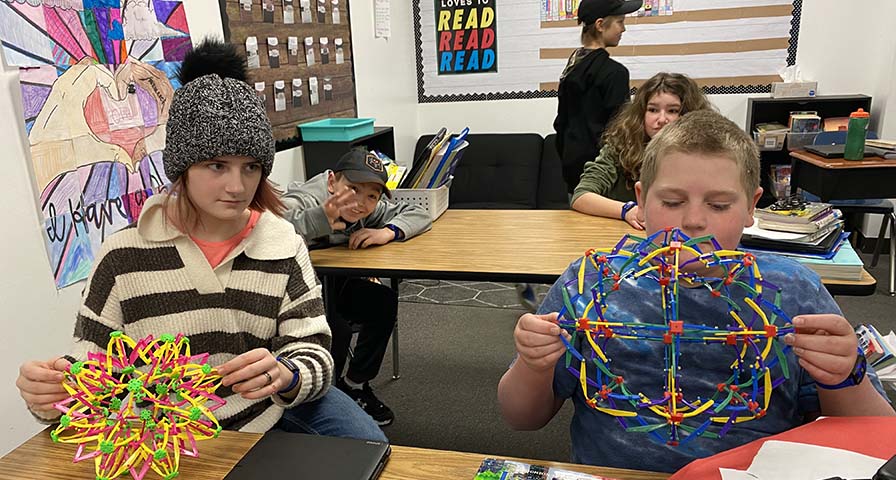
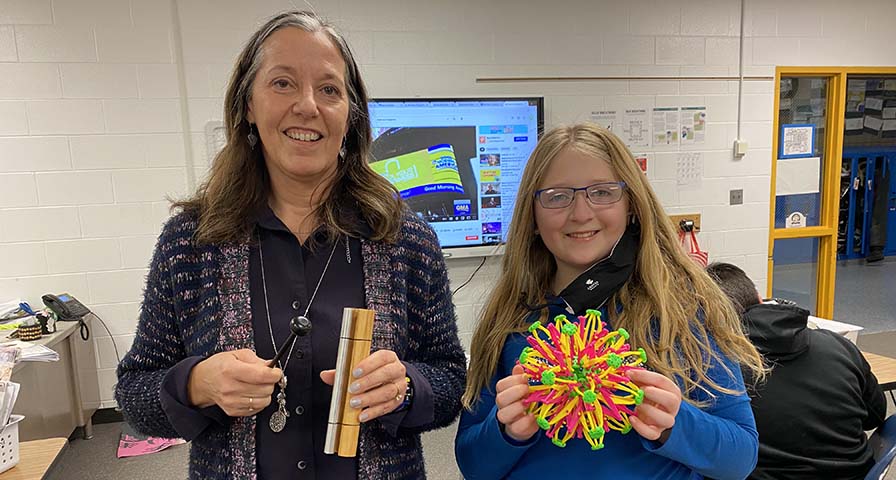
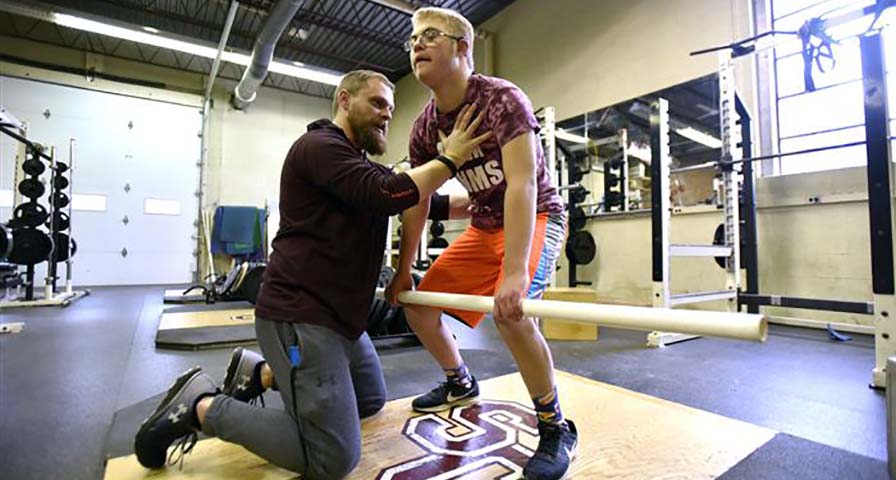
Ann Arbor Public Schools brought heart rate monitors into classrooms serving students with physical and cognitive difficulties, using color-coded feedback to help students recognize rising stress and anxiety throughout the school day. What began as a physical activity tool became a mental health one: students learned to read their own warning signs and take action before emotions escalated into a crisis.


"I have a student who has behavior issues, and her issues can be quite severe. This student has learned that when she senses her anxiety begin to spike, she would actually ask me to go out on the track instead of being in the fitness center."


 Deak Swearingen, Adapted PE Teacher and Consultant at Allen Park Public Schools in Michigan


Real Student Success Starts

with Better Insights


Want to see the Spirit System in action for your counseling program, behavioral health caseload, or adapted PE classroom?


Let's talk about what it could look like for your students.


Is The Spirit System Right for Your School?

Ready to learn more about how the Spirit System can increase student participation and overall health? Need a quote to get started? Want help with funding requests? Click here to have a no-strings-attached chat with an IHT representative.


Plan For 2026/27 School Year Now!

We offer free, expert-led funding resources to help schools, counselors, and wellness teams navigate campus budgets, grants, and federal programs so you can bring our monitors and assessment software to your students.


Facebook
Instagram
LinkedIn
Twitter
Youtube
Vimeo


Interactive Health Technologies, LLC

1101 W 34th Street, Suite 213 Austin, TX 78705
(512) 522-9354      spirit@ihtusa.com
www.ihtusa.com


Fwd: What Students Are Saying About Recovery


-------- Original Message --------

Why Wellness Spaces Matter More Than Ever on Campus
AthleticBusiness.com
WellnessSpace Brands
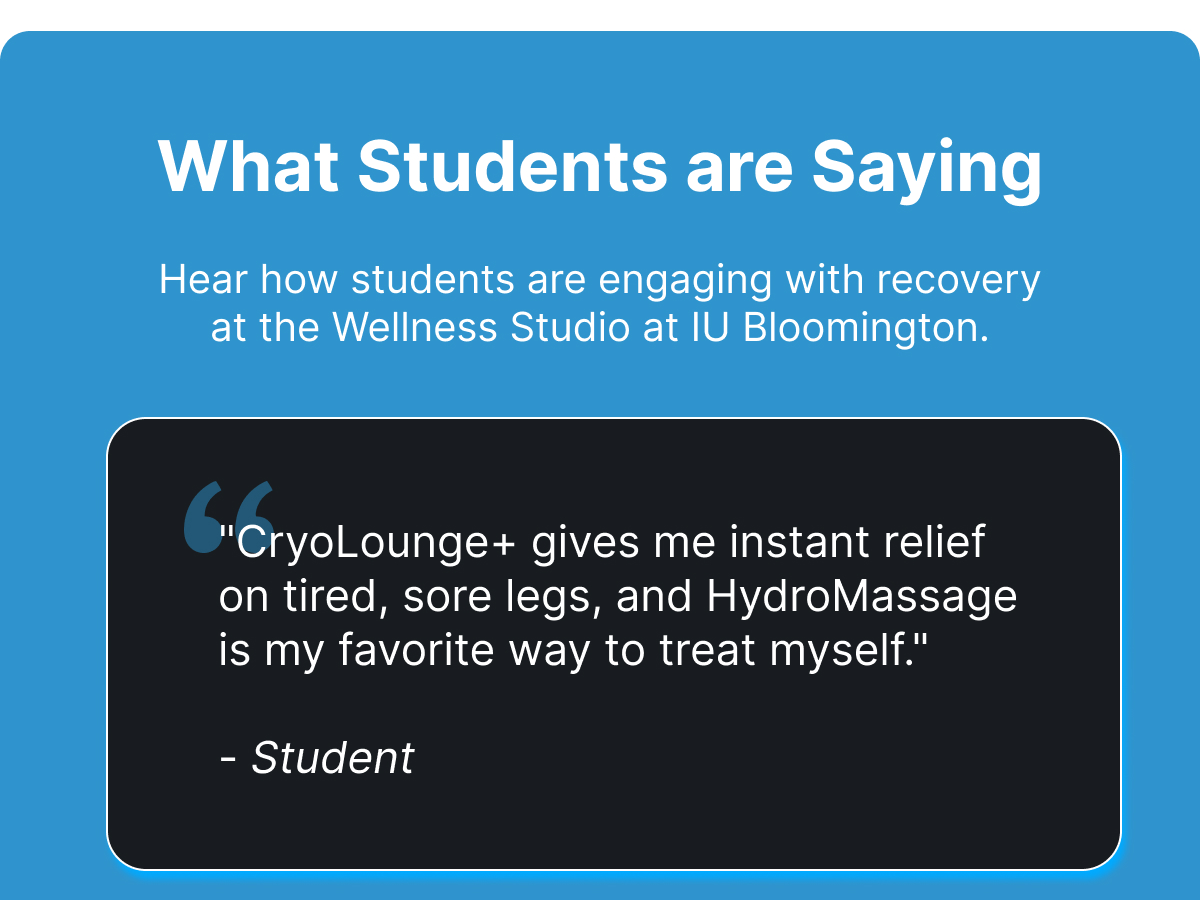
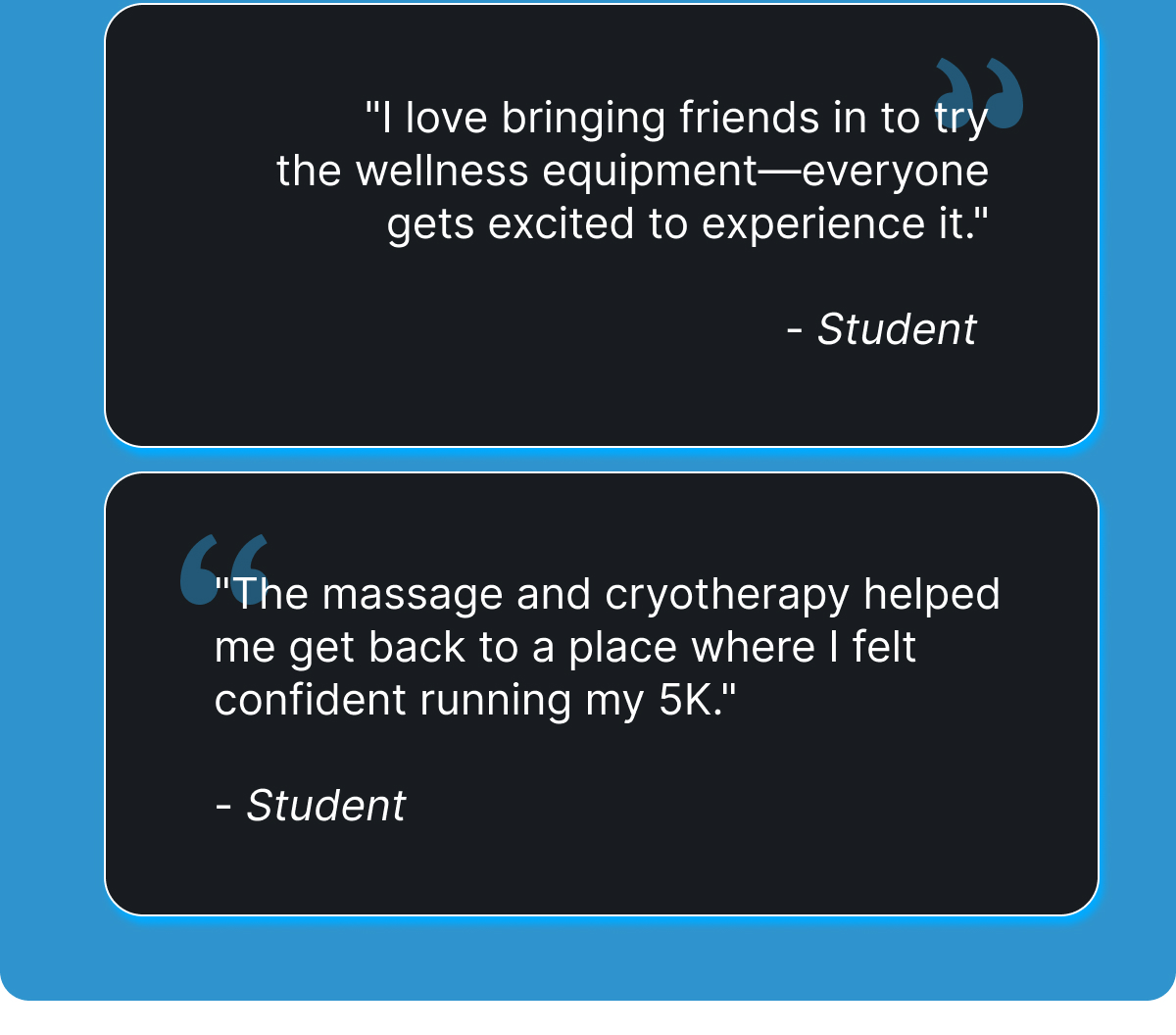
Student Voices: The Growing Demand for Recovery on Campus
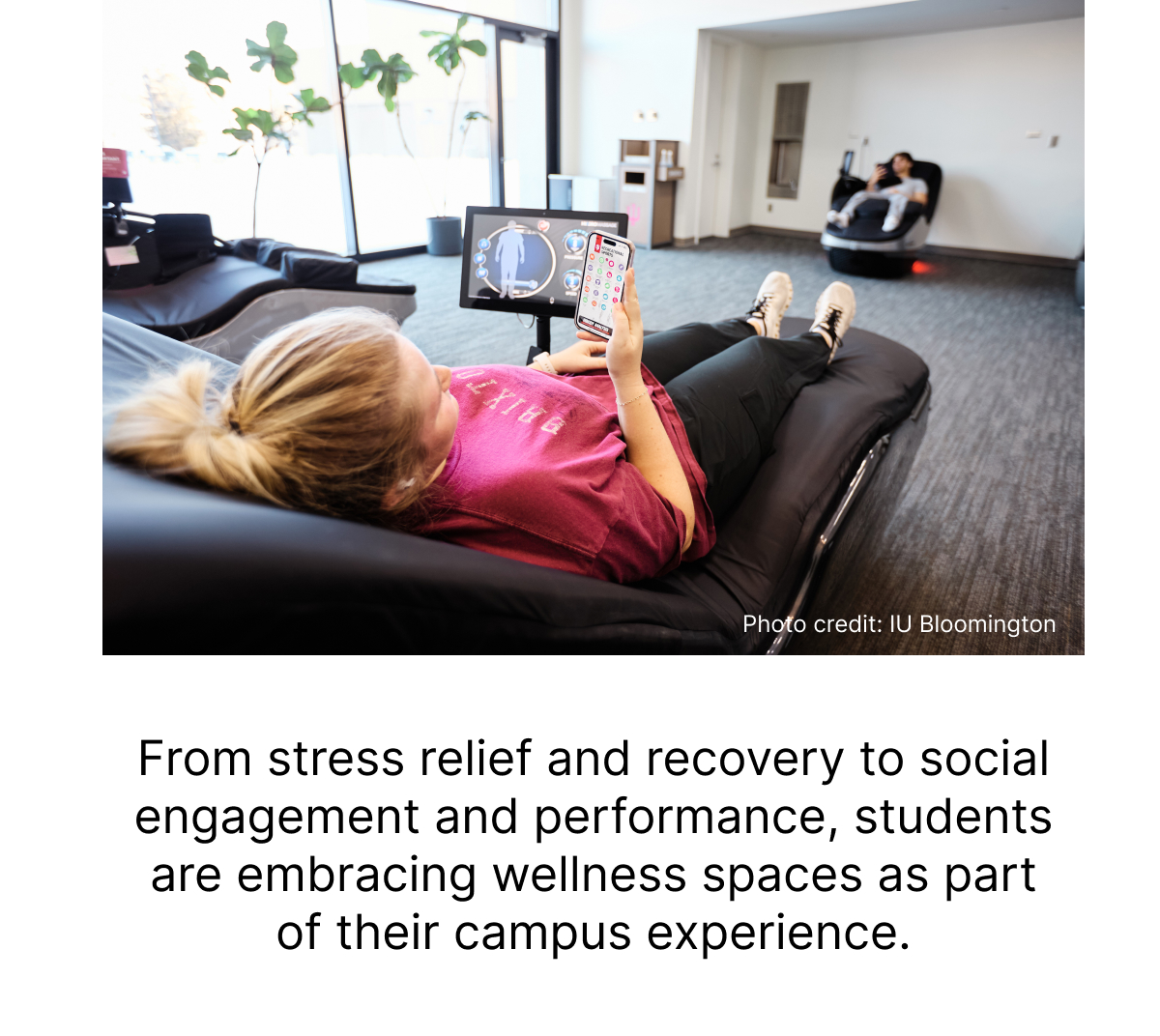
From stress relief and recovery to social engagement and performance, students are embracing wellness spaces as part of their campus experience.
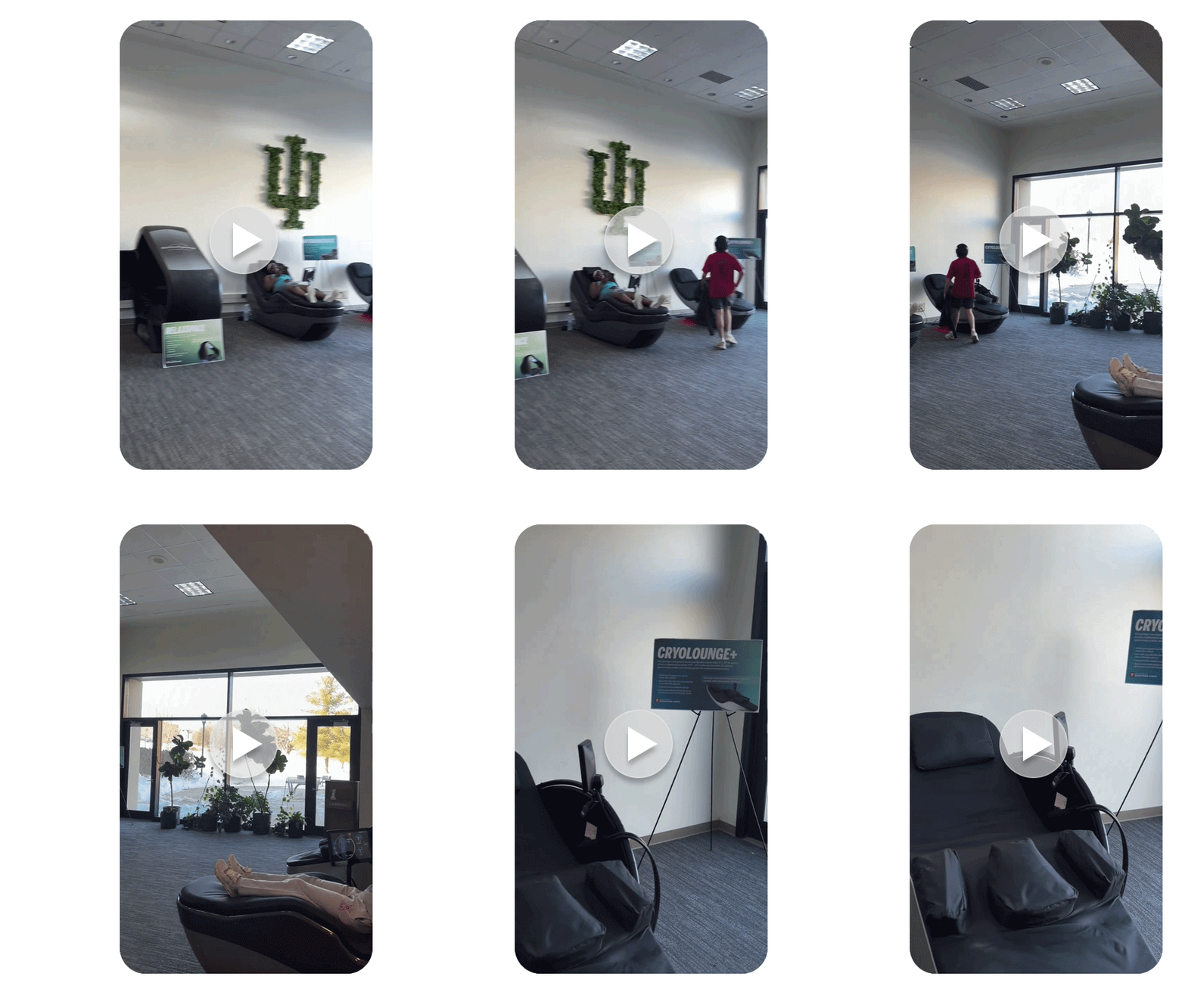
Hear how students are engaging with recovery at the Wellness Studio at IU Bloomington
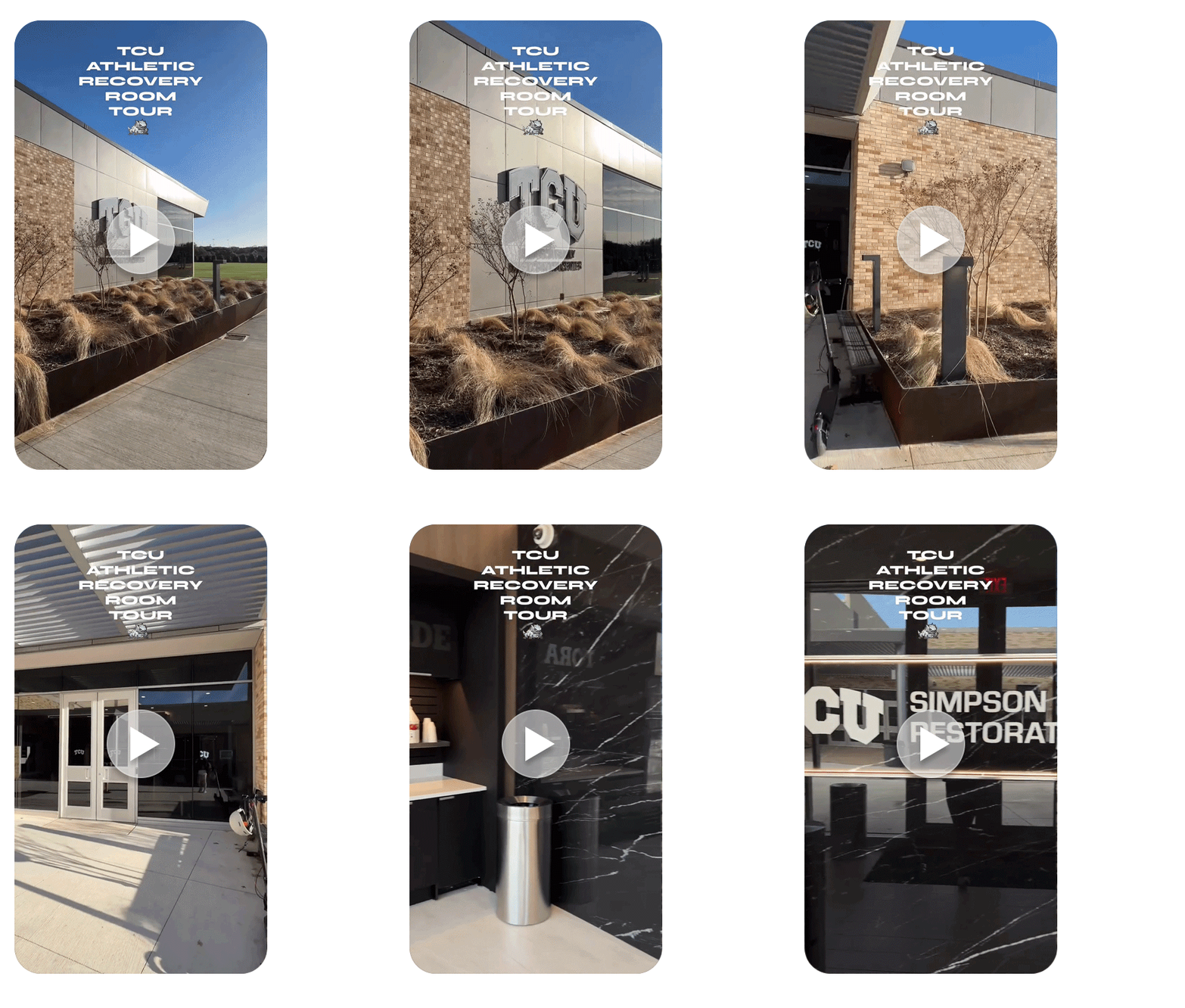
What Students are Sharing - See recovery in action at Indiana University Bloomington and TCU.
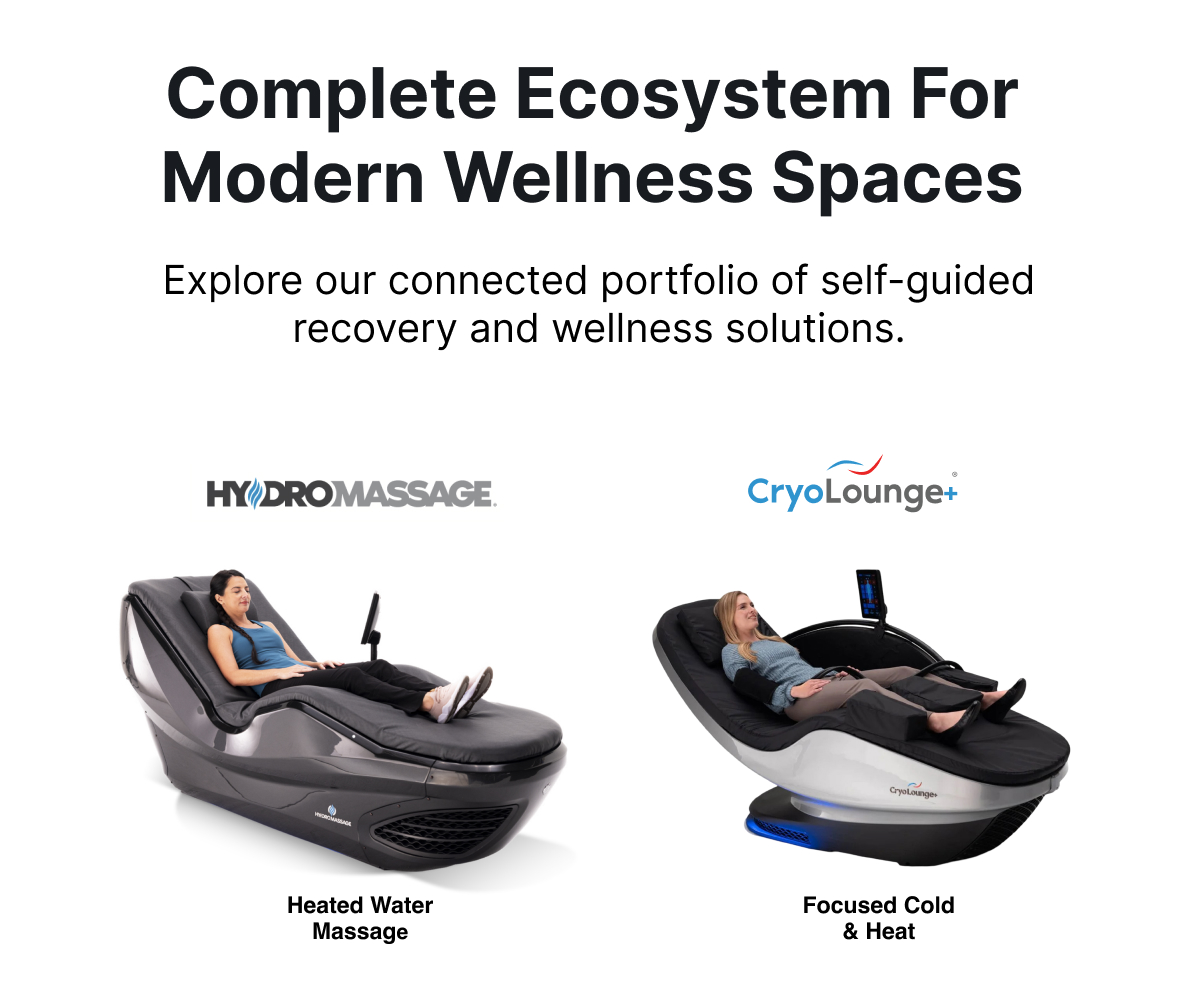
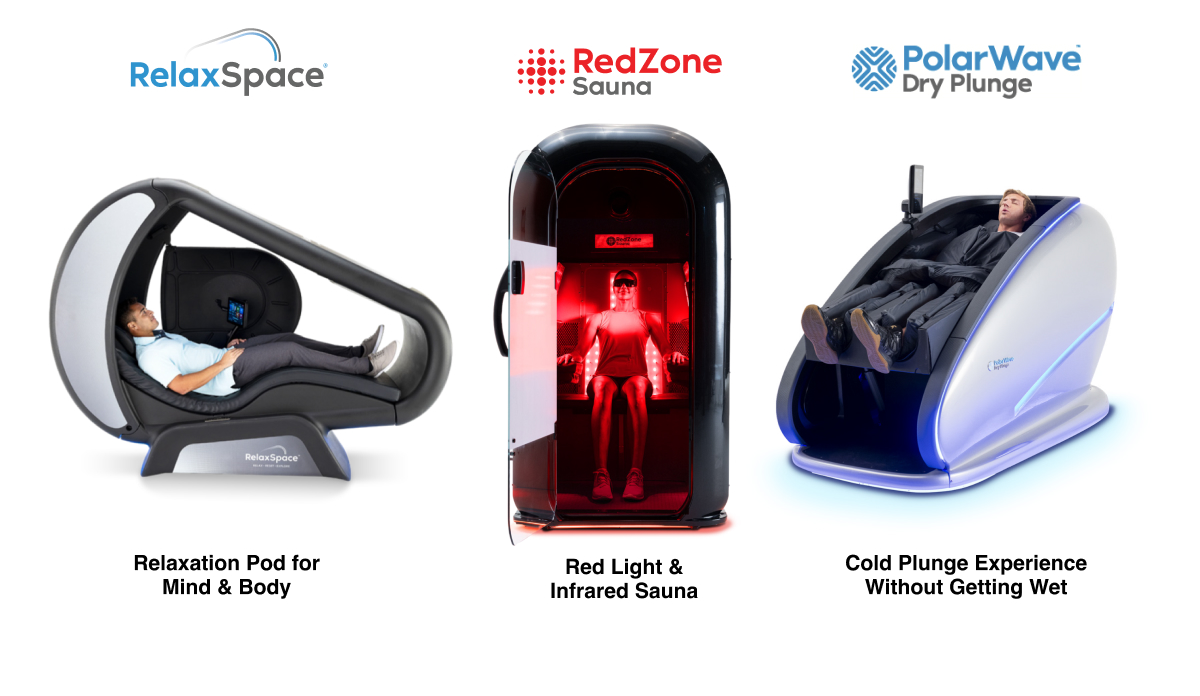
Complete Ecosystem For Modern Wellness Spaces - Explore our connected portfolio of self-guided recovery and wellness solutions.
Self-Guided By Design - Built For High Traffic - Engineered, Tested and Proven
Trusted By Colleges And Universities
Ready to Build Your Wellness Space? Our team partners with you to design a recovery solution tailored to your facility - built to perform today and scale for what's next. - Talk to Our Team

Tuesday, July 14, 2026

Fwd: Fifteen Bold Experiments Shaping the Future of Learning

Announcing the 2026 National Moonshot Grants

The future of learning won't happen all at once. It's emerging right now through bold ideas, thoughtful experimentation, and communities willing to explore what learning could become.


Today, we're excited to announce the recipients of the 2026 National Moonshot Grants. These 15 projects will test future-facing ideas that push the boundaries of teaching and learning while generating insights that can strengthen the field as a whole.

 

From learner-centered AI and competency-based education to community partnerships and learning ecosystem design, this year's grantees are exploring new possibilities for helping young people flourish in a rapidly changing world.

The 2026 National Moonshot Grants

Extending the Educator Team

Albuquerque Public Schools with Arizona State University Next Education Workforce and ABC Community Schools Partnership

Assessment Through Real-World Learning

Big Picture Learning and partnering schools

Manufacturing Math

Butler Area School District with KnowledgeWorks and Butler County Manufacturing Consortium

The World Is Your Oyster

California Area School District with Children's Museum of Pittsburgh, Avonworth School District, and Pennsylvania Department of Education

Leadership Synchronization Lab

Catalyst at Penn GSE with the Center for School Study Councils, Pennsylvania Association of Intermediate Units, Wharton Neuroscience Initiative, Perelman School of Medicine, University of Pennsylvania Carey Law School, and Annenberg School for Communication

Student-Led Global Policy Forum

Denver Public Schools with Allentown School District

When Learners Lead

Education Reimagined with PAST Foundation

Building the Village

Fox Chapel Area School District with Center for Innovation in Education

Bridges Through Learning

History Co:Lab with Pittsburgh Public Schools, Smithsonian Institution, and Heinz History Center

The National Service Resilience Pilot

InnovateEDU with City Year, Voices for National Service, Educating All Learners Alliance, and Project Unicorn

AI for Learner-Centeredness

Learner-Centered Collaborative with LearnerStudio

The Isha Project

Northgate School District with LIGHT Education Initiative, Avonworth School District, Pottstown School District, PedaNow, EF Tours, and The Music Note

Indiana County-S.E.E.

Purchase Line School District with Indiana County Chamber of Commerce and Indiana County Technology Center

Unbound Pathways

South Fayette Township School District with Digital Promise and Carnegie Foundation for the Advancement of Teaching

The Embedded Microschool Engine

World of Work Foundation with Cajon Valley Union School District, Los Coches Creek Middle School, and Bostonia Global

Congratulations to this year's National Moonshot Grant recipients, and thank you to every organization that submitted a proposal. Your creativity, ambition, and willingness to experiment demonstrate the extraordinary momentum building around the future of learning.


Read the full announcement to learn more about each project and the bold ideas they're exploring.

National Moonshot Grants are made possible through the generous support of The Grable Foundation, Siegel Family Endowment, Richard King Mellon Foundation, The Heinz Endowments, and The Buhl Foundation.


Remake Learning | 475 E Waterfront Dr | Homestead, PA 15120 US


Fwd: Are you debriefing your races or just reacting to them?


-------- Original Message --------

Subject: Are you debriefing your races or just reacting to them?


Most swimmers react to their races instead of debriefing them. Here's the difference and why it matters.  ͏ ͏ ͏ ͏ ͏ ͏ ͏ ͏ ͏ ͏ ͏ ͏ ͏ ͏ ͏ ͏ ͏ ͏ ͏ ͏ ͏ ͏ ͏ ͏ ͏ ͏ ͏ ͏ ͏ ͏ ͏ ͏ ͏ ͏ ͏ ͏ ͏ ͏ ͏ ͏ ͏ ͏ ͏ ͏ ͏ ͏ ͏ ͏ ͏ ͏ ͏ ͏ ͏ ͏ ͏ ͏ ͏ ͏ ͏ ͏ ͏ ͏ ͏ ͏ ͏ ͏ ͏ ͏ ͏ ͏ ͏ ͏ ͏ ͏ ͏ ͏ ͏ ͏ ͏ ͏ ͏ ͏ ͏ ͏ ͏ ͏ ͏ ͏ ͏ ͏ ͏ ͏ ͏ ͏ ͏ ͏ ͏ ͏ ͏ ͏ ͏ ͏ ͏ ͏ ͏ ͏ ͏ ͏ ͏ ͏ ͏ ͏ ͏ ͏ ͏ ͏ ͏ ͏ ͏ ͏ ͏ ͏ ͏ ͏ ͏ ͏ ͏ ͏ ͏ ͏ ͏ ͏ ͏ ͏ ͏ ͏ ͏ ͏ ͏ ͏ ͏ ͏ ͏ ͏ ͏ ͏ ͏ ͏ ͏ ͏­­­­­­­­­­­­­­­­­­­­­­­­­­­­­­­­­­­­­­­­

Between The Laps Coaching

Most swimmers debrief a race the same way.

They touch the wall. They look up at their time. They feel good or they feel terrible. They talk to their coach for ninety seconds. They go home.

That process looks like reflection. It isn't. It's reaction. And reaction is what keeps swimmers stuck in the same patterns season after season.

Here's the problem with reacting to your time.

When you look at the scoreboard and feel good or bad based on what you see, you're letting the result write your story. The number decides the meaning. The meaning decides your identity. And your identity going into the next race is built on whatever story that number told you about yourself.

The Debrief is how you take the pen back.

It starts before the analysis. Before you talk to your coach, before you look at splits, before you say a word to anyone. One physiological sigh. Two quick inhales, one long exhale. This single breath pattern activates the vagus nerve and begins to clear the stress hormones that are still running your nervous system. You're not calming down. You're switching systems. From threat response to learning mode.

Then a small shift in language that changes everything.

Instead of "I blew the turn," you say "You misread the flags. You can cue the last three strokes tomorrow." The shift to second person creates just enough psychological distance to turn heat into data. You're no longer the person who failed. You're the coach reviewing footage of an athlete you believe in.

This is what psychologists call self-distancing, and the research behind it is consistent across sports. Athletes who create this small gap between experience and analysis extract more actionable information from their performances and return to training faster and with more clarity.

The Debrief has three questions. Not ten. Three.

What did I execute that I trained for?

What was one controllable that broke down, and what specifically caused it?

What does the next practice look like because of this race?

The first question matters as much as the second one. When you only review what went wrong, you're training your brain to scan for failure. Research from Stanford shows that athletes who build the habit of identifying execution wins — not just gaps — develop faster cognitive adaptation between races. Your brain builds confidence through evidence, not through hope.

The third question is the one most swimmers skip entirely. It's the most important one. Because a debrief that doesn't change practice is just journaling. The race becomes fuel for the work only when you connect what happened to what comes next.

I've sat with swimmers after their worst races and their best races and asked the same three questions. The ones who can answer them clearly — not emotionally, not reactively, but specifically — are the ones who keep improving. Not because they're more talented. Because they've learned to use every race as data instead of verdict.

The race doesn't end when you touch the wall.

It ends when you've decided what it means for the swimmer you're becoming.

— Coach Chris


The Debrief is Chapter 10 of Pressure to Podium, and inside Swim Accelerator Premium we have a full Debrief Masterclass — a structured framework you can use after every race to build the habit. It's the difference between experiencing a season and learning from one. Join free and see what's inside.

Thursday, July 09, 2026

Fwd: Thanks for filling out this form: PAIS & Carlow University - Elevate Learning, a Teaching and Learning Conference, Workshop Proposal Form


---------- Forwarded message ---------
From: Forms Response Receipts <forms-receipts-noreply@google.com>
Subject: Thanks for filling out this form: PAIS & Carlow University - Elevate Learning, a Teaching and Learning Conference, Workshop Proposal Form
To: <mark.rauterkus@gmail.com>


Google Forms

Thanks for filling out this form: PAIS & Carlow University - Elevate Learning, a Teaching and Learning Conference, Workshop Proposal Form

You’re receiving this email because you filled out the following form using your email address. This form is owned by Pennsylvania Association of Independent Schools. Make sure you recognize and trust this form before copying or clicking on any links. If it looks suspicious, report it.
Here's what was received.

PAIS & Carlow University - Elevate Learning, a Teaching and Learning Conference, Workshop Proposal Form

Please use this form to submit a proposal to present a workshop for Elevate Learning, a Teaching and Learning Conference on Monday, October 19, 2026 at Carlow University in Pittsburgh. All proposals are due by August 25, 2026 and applicants will be notified on or before September 8, 2026.  Registration will open the week of July 13, before workshops are known. All conference workshop sessions will be 60 minutes in length and there will be three workshop sessions.

There are THREE conference TRACKS: 
TRACK ONE: Learning Differences (executive functions, behavior, social-emotional learning, accommodations in the classroom, writing, etc.)

TRACK TWO: The Science and Design of Student Engagement (how students learn, teaching strategies, reflection as a tool, metacognition, motivation, student voice, belonging, etc)

TRACK THREE: AI in Education (AI as a teaching tool, assessment, lesson planning, AI literacy, privacy and security, etc)

1. What is your first and last name? *

Mark Rauterkus

2. What is your school or organization? *

The Ellis School & International Swim Coaches Association

3. What is your title or role? Include the division(s) with which you work, if applicable. *

Swim Coach, Webmaster, Publisher

4. What is your preferred email for communication purposes? *

5. What is your cell phone number? *

412-298-3432

6. Title of your Presentation (no more than 10 words) *

Reflection Builds Engagement: Take-Away Tools (Lycra and AI Optional)

7. Presentation Description (no more than 200 words) *

Student engagement deepens when reflection becomes a regular part of learning, team life, and communication. In this interactive session, Coach Mark Rauterkus shares practical ways to help students recognize progress, name challenges, set goals, and communicate what they are learning. The session begins with the story of The Treasure Within, a swim log and reflection journal created by Coach Kevin DeForrest and used with athletes at U of I and Penn State. Participants will examine how journals, prompts, and guided reflection can strengthen motivation, metacognition, student voice, belonging, and communication with trusted adults. The workshop also introduces CrewLAB, a free platform that supports reflection, team and club communication, guardian involvement, and Safe Sport-compliant interaction. These proven approaches can be adapted for classrooms, advisory groups, athletic teams, clubs, arts programs, and after-school settings. Coach Mark will share a printed handout and digital copies of three books: The Treasure Within, Mental Skills for Young Athletes, and Chapter Zero: The AI Coaching Wizard. Participants will leave with practical resources they can begin using immediately.

8. What track best represents your workshop? *

TRACK ONE: Learning Differences
TRACK TWO: The Science and Design of Student Engagement
TRACK THREE: AI in Education

9. Target Audience (check all that apply) *

Heads of School/Assistant and Associate Heads of School/Superintendents
Lower School teachers and Division Directors/Principals
Middle School teachers, advisors, and Division Directors/Principals
Upper School teachers, advisors, and Division Directors/Principals
School Counselors and Psychologists
Learning Support staff
Deans of Students
Curriculum Coordinators and Department Chairs
Other:   Athletic and Activity Directors; Theater, Music, Debate, Club, and After-School Program Leaders

10. Learning Objectives (share at least 2-3 intended outcomes) *

By the end of the session, participants will be able to: Use structured reflection prompts to strengthen student engagement, motivation, metacognition, and communication. Adapt reflection tools for classrooms, advisory groups, athletic teams, clubs, arts programs, and after-school settings. Identify practical digital and print resources that can support student voice, goal-setting, belonging, and communication with trusted adults and guardians.

11. Technology needed (please describe) *

No conference-provided technology is required. The presenter will bring a printed handout with summary information and resource links. A flash drive or Mac laptop may be used if presentation equipment is available. Participants will be invited to use their own phones, tablets, or laptops during the interactive portions of the session.

12. Have you presented at another conference? (New presenters are welcome!) *

Yes
No

13. Presenter Bio (no more than 100 words) *

Mark Rauterkus is a Pittsburgh-based swim coach, publisher, and digital strategist with decades of experience in education, athletics, and community programming. He has coached at The Ellis School since 2017 and serves as webmaster for the International Swim Coaches Association and a leader with WAFSU.org. Mark has presented more than 20 times at national and international coaching conferences, spoken to Pittsburgh art educators about literacy through murals and athletics, and presented at WordCamp technology events. His work connects student engagement, reflection, team culture, publishing, and practical technology.

14. List name, title/role, and school or organization of any co-presenters. (You will be asked to be the point person for all communication.)

None

15. If applicable, provide the bio for any co-presenter(s). (This can also be added at a later date.)

None

16. Do you have any questions or other information to add?

Thanks! Good luck.

Additional Details

Please note that although PAIS & Carlow University will not be offering honoraria to presenters, the conference registration fee for the lead presenter will be 100% comped, and the registration fee reduced by 50% for up to 2 other co-presenters. If you are submitting a proposal AND you wish to register this summer, you may select the "pay later" option.

Although not all proposals will be chosen, all will be given careful consideration and acceptance is based on the program content and the overall balance of the conference. We appreciate your commitment to teaching and learning, and your willingness to participate in this program!
Create your own Google Form
Does this form look suspicious? Report